




Federal Food Assistance Programs In the United States, there are numerous federal food assistance programs, all aimed at combating hunger nationwide. Below is a summary of each program, detailing who may be eligible and a brief description: SNAP – Supplemental…
Understanding the Distinctions Between SNAP and WIC Programs
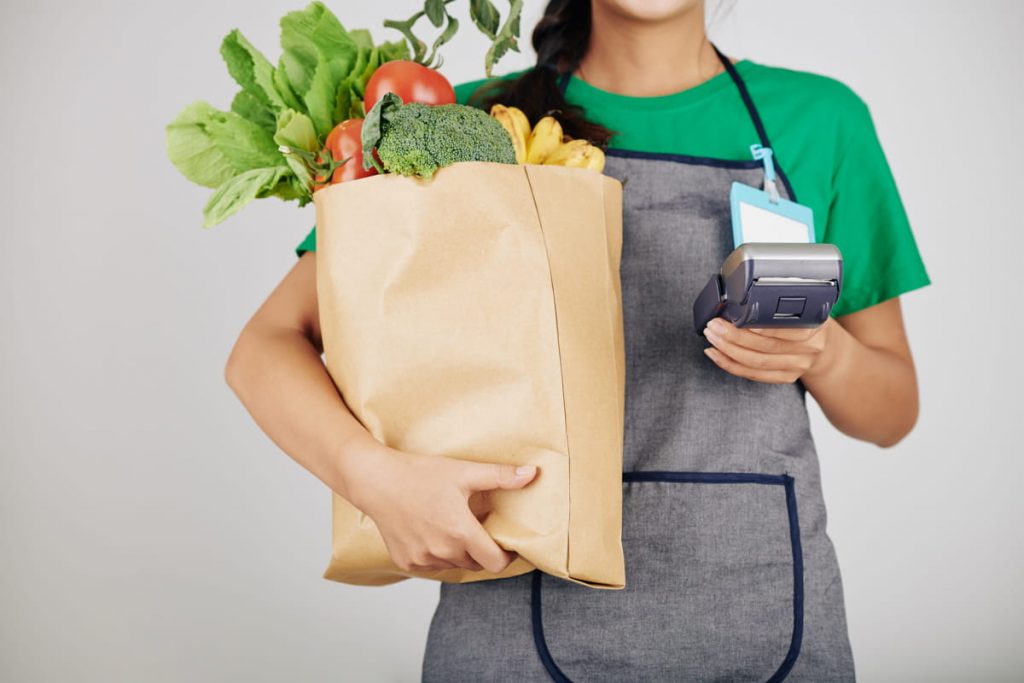
For families with limited income, providing daily meals can be a significant challenge.
The Supplemental Nutrition Assistance Program (SNAP) and the Special Supplemental Nutrition Program for Women, Infants, and Children (WIC) are federal initiatives designed to assist families in such situations.
Are WIC and SNAP Different Programs?
Although both WIC and SNAP aim to enhance health and nutrition among low-income families, they operate as distinct programs.
WIC specifically targets pregnant, breastfeeding, or postpartum women, along with infants and children up to five years old. Depending on individual circumstances, recipients are eligible to receive:
- Support and education for breastfeeding
- Referrals for health, social services, and welfare programs
- Nutrition education and counseling
- Supplemental nutritious foods (selected for their nutritional quality based on USDA standards, such as cereal, milk, cheese, eggs, juice, beans, peanut butter, and infant formula)
- A WIC card, which functions like a debit or credit card for grocery purchases at authorized WIC stores
SNAP, on the other hand, caters to all low-income households, regardless of age or family structure, by providing monthly funds for groceries. Formerly known as the food stamps program, it assures a preloaded amount on an Electronic Benefits Transfer (EBT) card for food purchases, determined by the income level of the household.
Importantly, benefits from one program do not exclude you from participating in the other, as long as your household meets the eligibility criteria for both.
What Foods Can You Purchase With WIC vs. SNAP?
Both WIC and SNAP provide families with access to nutritious food, but there are notable differences in allowable purchases under each program.
| Food Category | WIC (Restricted List) | SNAP (General Grocery Purchases) |
|---|---|---|
| Fruits & Vegetables | Fresh, canned, or frozen (must meet USDA standards) | Any fresh, frozen, canned, or dried produce |
| Dairy Products | Milk, cheese, yogurt, and infant formula | Any dairy product, including butter and ice cream |
| Proteins | Eggs, beans, peanut butter, canned fish | Any meats, poultry, seafood, beans, tofu, nuts |
| Grains | Whole wheat bread, cereal, tortillas, pasta | Any grains, including white bread and snack foods |
| Beverages | 100% fruit juice (limited selection) | Any non-alcoholic beverage |
| Baby Food & Formula | Approved formula and baby foods | Any baby food, formula, or infant snacks |
Key Takeaway: WIC only covers specific foods chosen for their nutritional benefits, while SNAP provides broader options for food purchases.
For a complete list of WIC-approved foods, visit:
https://www.fns.usda.gov/wic
Eligibility Requirements for SNAP and WIC
SNAP and WIC have differing eligibility criteria, reflecting their unique target audiences and types of assistance.
The eligibility for SNAP is defined by specific gross and net income limits based on your household size.
In some cases, these limits may be elevated, particularly for households with elderly or disabled members. If anyone in your household is receiving Supplemental Security Income (SSI), Temporary Assistance for Needy Families (TANF), or other general assistance, you might be deemed “categorically eligible” for SNAP by virtue of qualifying for other income-based programs.
To qualify for WIC, applicants must fit into one of these categories:
- Pregnant women
- Breastfeeding women
- Non-breastfeeding postpartum women
- Infants
- Children
Moreover, if you or other household members are receiving benefits like TANF, Medicaid, or SNAP, you might automatically qualify for income eligibility through WIC’s “adjunctive eligibility.”
For additional details on the eligibility standards for each program, please continue through the following sections.
Who Qualifies for WIC?
The eligibility criteria for WIC comprise four essential requirements; applicants must meet all four to qualify. These are:
- Categorical
- Residential
- Income
- Nutrition risk
The categorical requirement, as noted earlier, pertains to women, infants, and children. More specifically:
- Pregnant — During pregnancy and up to six weeks postpartum
- Postpartum — Up to six months following the birth
- Breastfeeding — Up to the infant’s first birthday
- Infants — Up to the infant’s 1st birthday
- Children — Up to the child’s 5th birthday
The residential requirement mandates that applicants currently reside in the state where they apply. There is no stipulation for a minimum residency period to fulfill this requirement.
However, if the applicant resides in an area managed by an Indian Tribal Organization (ITO), they should adhere to that organization’s residency conditions. Furthermore, some states might insist that applicants live within a designated local area and register at a corresponding WIC clinic.
The income criteria are determined by the state agency, typically ranging from 100 to 185 percent of the federal poverty guidelines established by the Department of Health and Human Services (HHS). If you or family members are eligible for TANF, Medicaid, or SNAP, you automatically qualify on income grounds.
Finally, the nutrition risk criterion involves an assessment by a health professional to ascertain if applicants present specific medical or dietary conditions such as anemia, being underweight, poor pregnancy outcomes, or suboptimal diet. To be eligible, applicants must have at least one condition listed in their state’s WIC nutrition risk criteria.
This evaluation is generally conducted for free at the WIC clinic or can be arranged through a healthcare provider…
from the applicant’s physician. The minimum examination procedure requires the applicant’s height, weight, and bloodwork.
If you’re uncertain about your eligibility for WIC, consider using the online WIC Prescreening Tool before reaching out to your state agency.
What Do WIC Benefits Typically Provide Monthly?
WIC benefits differ depending on family size and participant category, but an average participant tends to receive around $50-$75 monthly in food benefits.
| WIC Participant Type | Average Monthly Benefit |
|---|---|
| Pregnant Women | $50 – $75 |
| Breastfeeding Women | $60 – $95 |
| Infants (0-12 months) | $60 – $150 (formula included) |
| Children (1-5 years) | $50 – $75 |
Additional nutritional support services, including nutrition education and breastfeeding assistance, are available at no cost.
Tip: Benefit amounts vary by state, so consult your local WIC office for the most current figures.
Who Is Eligible for SNAP?
The eligibility criteria for SNAP encompass income and employment requirements for your household.
Households must satisfy both the gross and net income limits, with some exceptions. A household with elderly or disabled individuals only needs to comply with the net income limit, while a household where all members receive SSI, TANF, or similar assistance is considered categorically eligible.
Gross income is the total income of the household before any deductions, whereas net income is determined by subtracting allowable deductions from gross income.
Here are the limits based on household size for the 48 contiguous states and the District of Columbia, effective from October 1, 2021, to September 30, 2022:
- 1 member — $1396 (gross), $1074 (net)
- 2 members — $1888 (gross), $1452 (net)
- 3 members — $2379 (gross), $1830 (net)
- 4 members — $2871 (gross), $2209 (net)
- 5 members — $3363 (gross), $2587 (net)
- 6 members — $3855 (gross), $2965 (net)
- 7 members — $4347 (gross), $3344 (net)
- 8 members — $4839 (gross), $3722 (net)
- Each additional member — +$492 (gross), +$379 (net)
In addition to income, applicants aged 16-59 who are able to work must also adhere to general work requirements, such as:
- Registering for work
- Not voluntarily quitting a job or reducing hours
- Accepting a job if offered
- Participating in employment and training programs if assigned by the state
Failure to comply with these requirements can lead to disqualification from SNAP after three months. However, some individuals may be exempt from meeting these criteria under specific circumstances.
For further information about these exceptions, as well as details on income deductions and countable resources or the eligibility of students and non-citizens, consult the complete information on the SNAP Eligibility requirements page.
What Can’t You Purchase With SNAP?
While SNAP allows more flexibility than WIC, there are still specific restrictions on certain purchases.
SNAP Cannot Be Used to Buy:
- Alcoholic beverages (beer, wine, liquor)
- Tobacco products (cigarettes, cigars, vaping products)
- Hot prepared foods (restaurant meals, deli foods)
- Non-food items (household supplies, pet food, hygiene products)
- Vitamins and supplements (even if they contain nutrition labels)
Tip: If a product features a “Supplement Facts” label rather than a “Nutrition Facts” label, it cannot be purchased with SNAP.
For a comprehensive list of SNAP-eligible items, please visit:
https://www.fns.usda.gov/snap
Applying for WIC and SNAP
Applications for WIC and SNAP are processed by state agencies. Options for submission may differ — some states allow online applications, while others might require in-person visits or mail submissions. To discover the appropriate application process for your situation, reach out to your state agency directly.
To apply for SNAP, locate your state agency on the locator map and either visit their office, website, or call their hotline. If you’re unable to contact the agency personally, you may designate an authorized representative in writing. Your application will typically be processed within 30 days.
To apply for WIC, find your state program’s contact details from the contact map to schedule an appointment. After setting the appointment, you will receive instructions regarding the nearest WIC location and what documentation to bring.
Can I Apply for SNAP If I Have WIC?
Yes, you can apply for SNAP even if you are enrolled in WIC, and vice versa. Both programs aim to assist low-income families and their children in meeting their nutritional needs and enhancing their long-term health and economic stability. Therefore, receiving assistance from one program does not prevent you from accessing the other.
Many families utilize both WIC and SNAP to ensure a steady supply of nutritious food each month. WIC focuses on specific essential foods, while SNAP offers broader grocery options.
While there may be a stigma associated with receiving government assistance, it’s crucial not to let shame or embarrassment stop you from obtaining the necessary support. Prioritize you and your family’s health. If you qualify for SNAP, WIC, or both, don’t hesitate to reach out to your local state agency.
Common Questions
Are SNAP and WIC the same program?
No. Both programs assist low-income families in accessing nutritious food, but WIC is tailored for women, infants, and children up to age five, while SNAP serves a broader audience, including families, seniors, and individuals of all ages.
Who qualifies for WIC versus who qualifies for SNAP?
WIC caters to pregnant, breastfeeding, or postpartum women, infants, and children under five. In contrast, SNAP is available to all low-income households.
Are there specific income requirements for WIC and SNAP?
Yes, both programs target individuals and families that meet specific income guidelines. However, each has distinct eligibility criteria. If you qualify for the stringent requirements of WIC and fall within the income limits, you may also consider applying for SNAP.
What foods am I allowed to purchase with WIC and SNAP?
WIC focuses solely on a select range of foods deemed beneficial for nutrition, such as milk, cereal, eggs, peanut butter, and formula. In contrast, SNAP covers a wider variety of grocery items, including fruits, vegetables, meats, dairy, and grains, but does not include hot prepared meals, alcohol, tobacco, or any non-food products.
In what ways do WIC benefits differ from those of SNAP?
WIC benefits typically amount to approximately $50–$150 monthly, based on the participant’s category (such as pregnant women or infants). Additionally, it provides resources like nutrition counseling, breastfeeding support, and health referrals. SNAP, on the other hand, allocates a monthly dollar value on an EBT card for more extensive grocery shopping.
Is it possible to apply for both WIC and SNAP simultaneously?
Absolutely. Qualifying for one program does not hinder your ability to enroll in the other. In fact, many families leverage both programs to enhance their access to nutritious foods and gain additional flexibility in their grocery shopping throughout the month.
What is the process to apply for WIC?
Reach out to your local state WIC office to set up either an in-person or telephone appointment. You will need to furnish proof of income, address, and identification. A brief health screening, often conducted on-site, will also take place to ascertain any nutritional risks. For detailed instructions, be sure to check your state’s WIC website.
How can I apply for SNAP?
Locate your state’s SNAP agency through the USDA or a local benefits website, complete an application (which is typically available online), and provide necessary documentation such as pay stubs or proof of other benefits. Approval times generally can be up to 30 days, unless an emergency fast-tracks the process.
What if I’m uncertain about which program is right for my household?
If you are expecting, breastfeeding, or have children under the age of five, WIC could be very advantageous. SNAP, however, offers broader options for all members of the household. You can certainly apply to both programs if you meet the criteria. For further information on eligibility and enrollment, visit
difference-snap-wic-programs
or get in touch with your local state agency for guidance.
Understanding SNAP Eligibility and Benefits
Understanding SNAP: Application Process, Eligibility, and How to Use Food Benefits

In the current economic landscape, a significant number of Americans find it challenging to secure nutritious food for themselves and their families. The Supplemental Nutrition Assistance Program (SNAP) offers essential support to help ensure access to healthy meals. This…